
Resources
Downloads
Flyers for parents, presentations for parent councils, template letters for schools, and more.
This section of the website is regularly expanded.
The Association
Parent Pact
Addictive Substances
Input for parents' evenings, etc.
Smartphone alternatives
Starter phones (freedom phones, brick phones, dumb phones, or simple phones) offer the benefits of technology without the “Wild West” of the internet, apps, and social media. Ideal for parents who don't want to give their children a smartphone but still want to be able to reach them.
Note: In the higher school years we recommend that digital chats (sports groups, school coordination, etc.) – if truly necessary – take place on a shared computer in the living room. WhatsApp is officially permitted from the age of 13 and, alongside chats, offers a channel function (following and creating), which takes the app beyond a pure messenger.
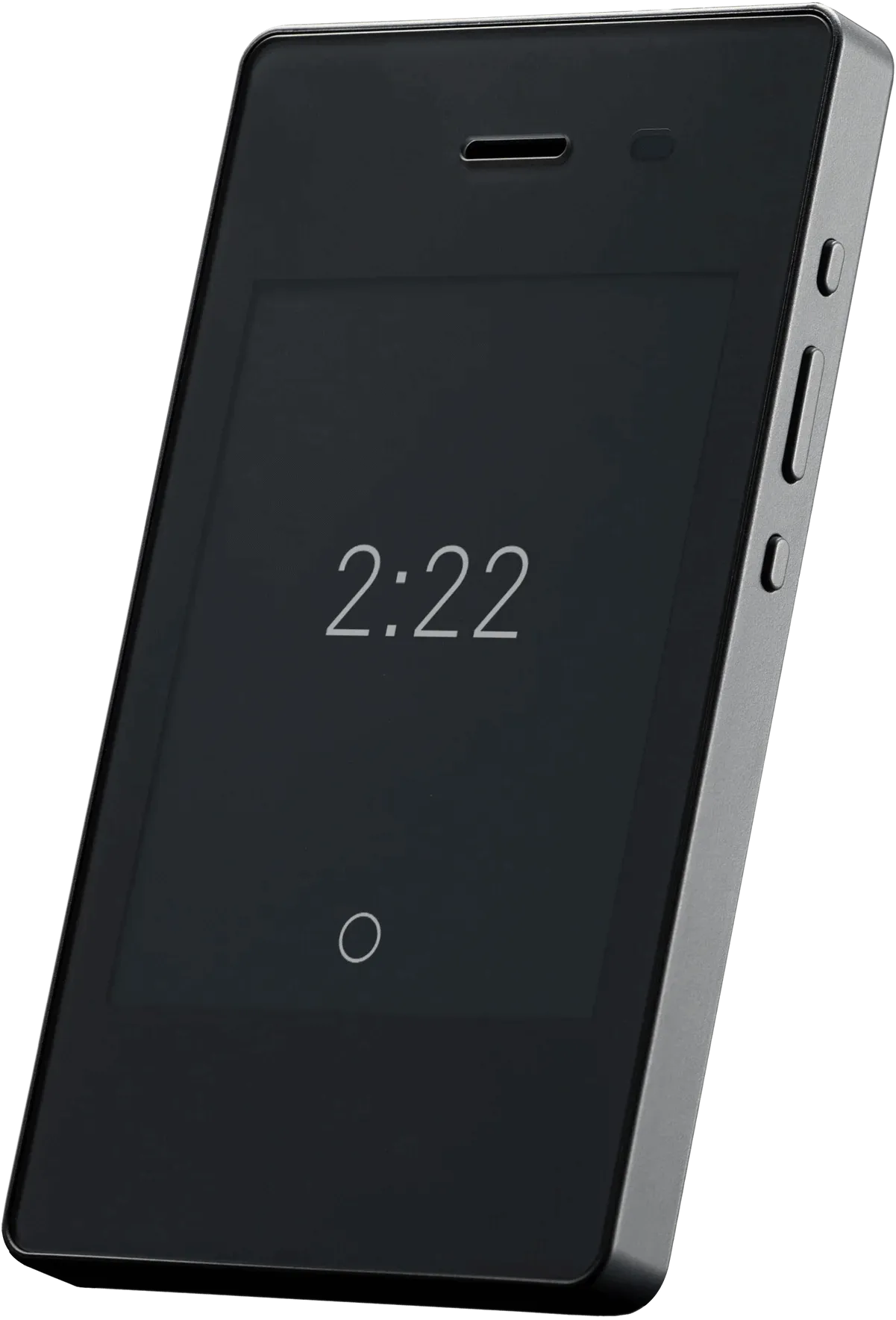
The Light Phone II
✻ High-quality, minimalist phone
✻ Black and white “paper” screen like an e-reader, with no blue light
✻ Customizable menu with alarm, calculator, calendar, and directions
✻ Music player (no streaming) and podcasts (with subscription)
✻ Headphone jack
✻ No internet, email, or social media
✻ No camera
✻ Works with Sunrise and Salt
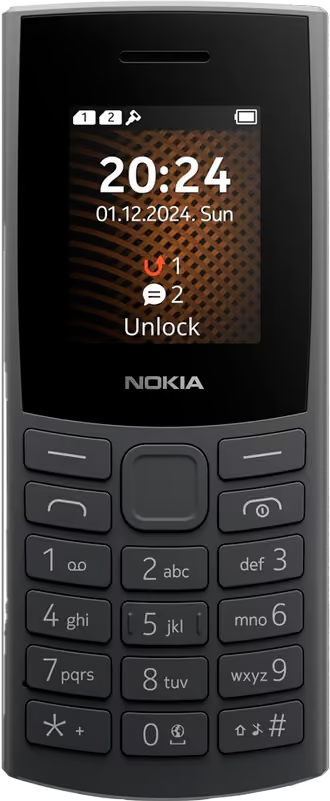
Nokia 105
✻ Large keypad
✻ Long-lasting battery
✻ Headphone jack
✻ MicroSD card, MP3 player, voice recorder
✻ FM radio
✻ No camera
✻ No social media
✻ Flashlight
✻ Snake
✻ Works with all Swiss mobile networks
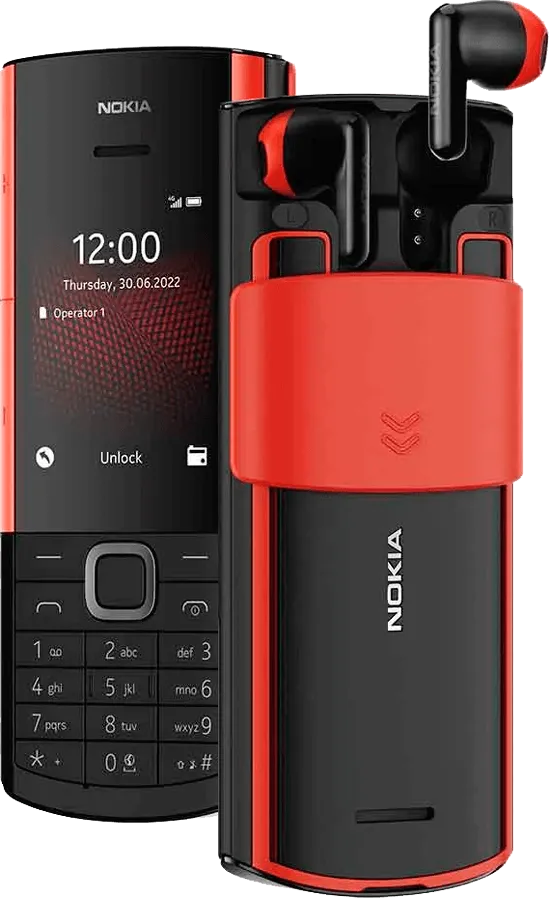
Nokia 5710
✻ Like an iPod with built-in wireless earbuds that charge when not in use
✻ Built-in MP3 player with room for thousands of songs
✻ Built-in speaker
✻ Wireless FM radio
✻ Low-resolution camera (2 MP)
✻ No social media
✻ No WiFi
✻ Works with all Swiss mobile networks
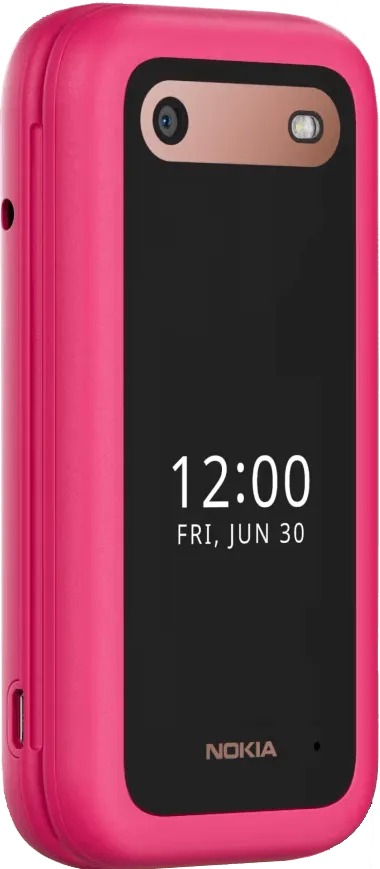
Nokia 2660 Flip
✻ Built-in radio and flashlight
✻ Snake, Tetris and more (Gameloft series)
✻ Rear camera with 0.3 MP
✻ MicroSD card
✻ MP3 player
✻ Headphone jack
✻ Works with all Swiss mobile networks
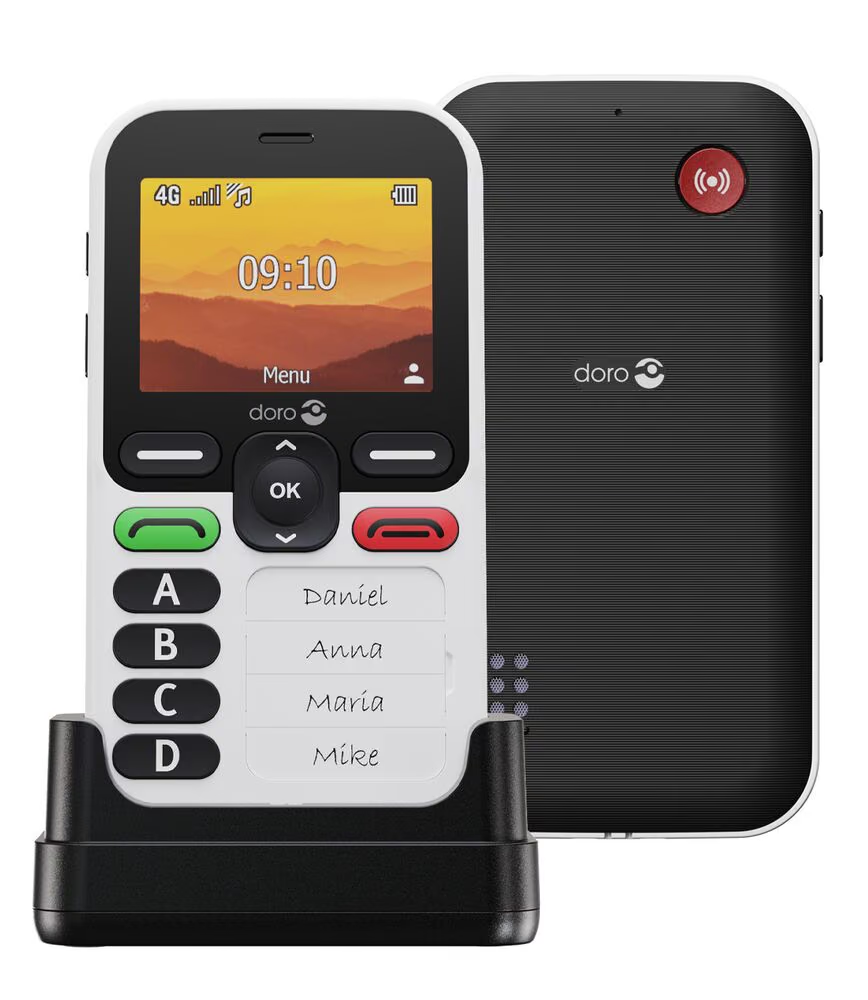
Doro Leva X10
✻ Memory for four contacts
✻ Large display
✻ Designed for safety and comfort
✻ Reminder function
✻ No camera
✻ No internet
✻ Bluetooth
✻ Works with all Swiss mobile networks
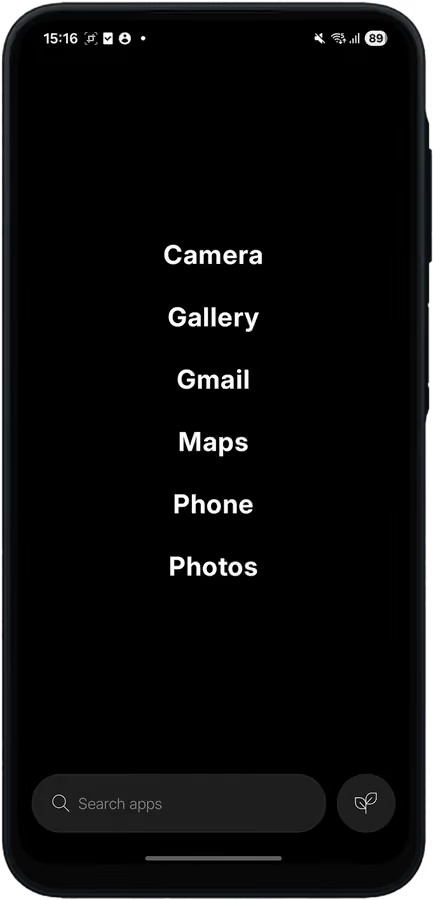
The Balance Phone Kids
✻ Front and rear camera with video recording
✻ 128 GB storage
✻ Fingerprint & Face ID
✻ Suitable for older children and teenagers (the website lists which apps are allowed or blocked)
✻ With internet
✻ With Spotify, Apple Music, podcasts
✻ No social media, but WhatsApp and Teams
✻ No games like Candy Crush, Fortnite or Roblox
✻ Works with all Swiss mobile networks

HMD (various models)
HMD Global (Human Mobile Devices) is a Finnish company that acquired the rights to use the Nokia brand for mobile phones in 2016.
HMD offers smartphones with enhanced security for children and teenagers.
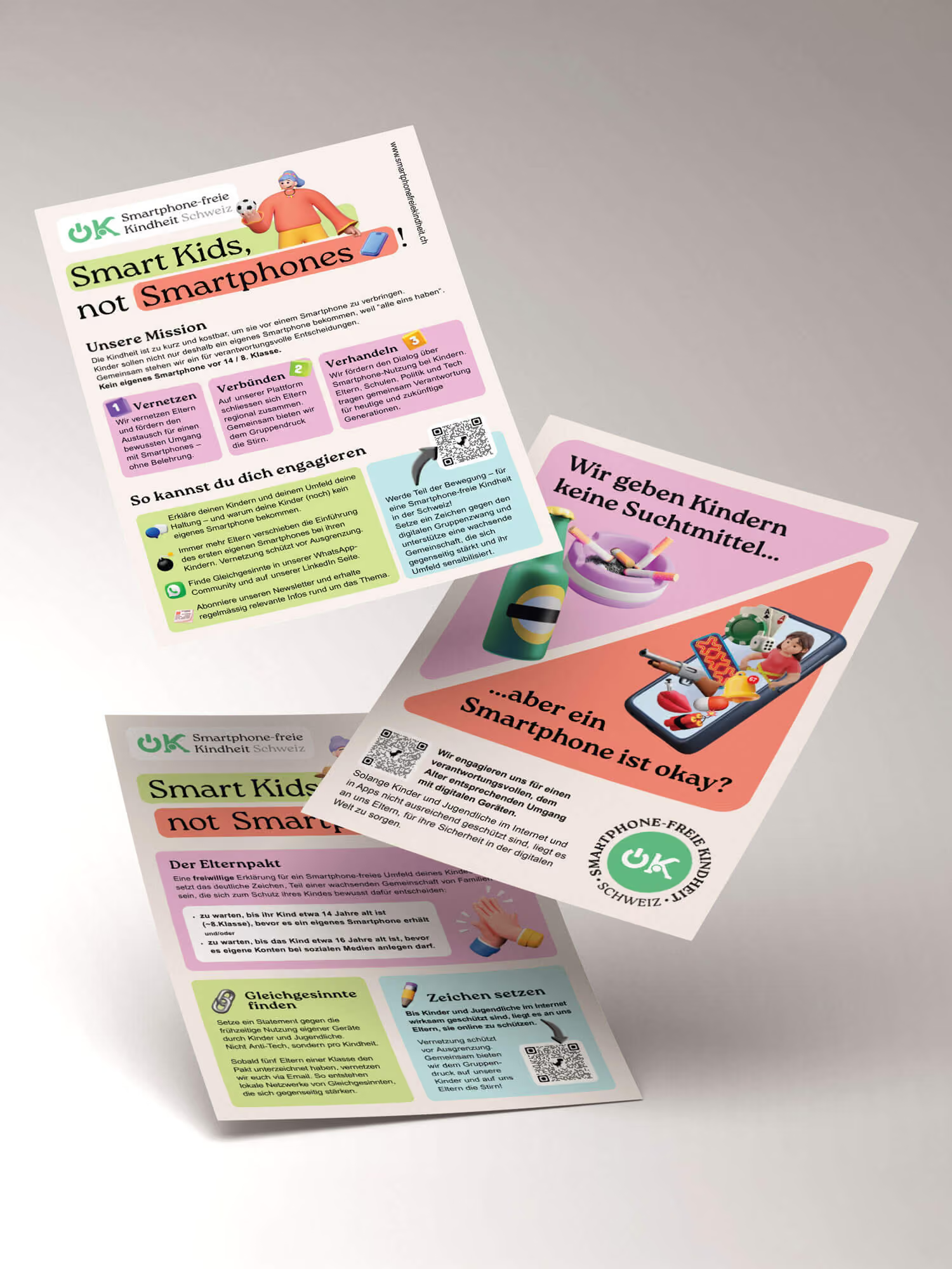
Printed materials for you and your community
We have small and large bundles.
A small bundle contains:
✻ 10 flyers «The Association» in German, reverse side in French
✻ 10 flyers «Parent Pact» in German, reverse side in French
✻ 10 flyers «Addictive Substances» in German, reverse side in French
A large bundle contains 30 copies of each flyer.
We ship these items to you free of charge. To keep it that way, we depend on donations and memberships — every contribution helps. For the small pack you could donate CHF 10, for the large one CHF 25. Or you become a member.
FAQs & Glossary
Here we explain terms relating to smartphones and social media.
Answers to frequently asked questions about the association can be found under FAQ.
Tristan Harris, a former Google ethicist, describes the smartphone as a slot machine: you swipe down on the feed and never know what’s coming next—it is precisely this unpredictability that keeps you addicted. Variable reward schedules are well-known in behavioral psychology (behaviorism, see below) and are considered the most effective principle for conditioning behavior.
Much of what tech companies exploit is based on the behavioral theory of B. F. Skinner. According to Skinner’s behaviorism, behavior is primarily learned through its consequences. Actions that are rewarded occur more frequently (reinforcement), while behavior without reward or with negative consequences becomes less frequent. Internal thoughts or feelings play a secondary role—what is decisive is how environmental stimuli shape behavior. Smartphones and social media use this principle of reinforcement in a targeted way: every new app notification, every push, and every like can act as an unpredictable reward, reinforcing constant checking and usage habits. Skinner tested this on rats and pigeons (The Skinner Box, Operant Conditioning Chamber)
Every like, every new message, and every short video triggers a small release of dopamine in the brain—drawing the reward system into an endless cycle of stimulus and craving. For children whose brains are still developing, this "hijacking" of the reward system can leave particularly deep marks.
Also known as deceptive or dark patterns, these are manipulative software design patterns on websites and in apps. They trick users into behaviors they didn't intend—such as signing up for unwanted subscriptions, sharing data, or making purchases. Depending on the jurisdiction, some dark patterns are legally prohibited to protect consumers.
Much like Skinner’s theories, smartphones and apps train the brain to crave "quick rewards," disrupting natural concentration and development. Constant notifications and rapid switching between apps fragment attention into ever-smaller pieces. Children who grow up with this pattern find it increasingly difficult to focus on and complete longer tasks. Mindful usage means recognizing this effect and giving our children uninterrupted, undistracted time.
Describes how smartphones disrupt real-life interactions—such as when parents keep checking their phones while playing with their child. Studies show that even short, repeated interruptions can affect the bonding process and language development in young children.
Our brains—especially those of growing children—can become accustomed to constant, rapid stimuli, like popcorn popping continuously in the microwave. Smartphones provide constant notifications, likes, or new content, which means children and teenagers have shorter attention spans and only expect quick rewards. This is how the brain gets used to avoiding "slow thinking."
Brain rot describes the state in which the brain is overstimulated by constant digital stimuli and endless scrolling, causing concentration, creativity, and deep thinking to decline sharply.
In theory, an algorithm is a precise, step-by-step set of instructions for solving a problem or performing a task. The same inputs always lead to the same result. Because every person has their own perspective on a topic, journalists, for example, have the task of making these different perspectives visible and highlighting various points of view. Digital algorithms do not do this; they only reinforce the perspective that someone prefers. Social media uses algorithms to prioritize content based on user behavior. The companies do not disclose how their algorithms work.
Feeds used to end at the bottom of the page. Today, you scroll endlessly. "There is always something new that gives you a dopamine hit that you react to, and there is an infinite amount of it," said Arturo Béjar, a whistleblower who worked in online child safety at Meta until 2021. "The promise of these platforms is that there is always something interesting and rewarding, and it never ends." Internal documents that surfaced during a US trial in the spring of 2026 showed that other Meta employees were concerned about signs of increasing "reward tolerance" among users. In an email conversation from 2020, someone wrote about Instagram: "Oh my god, guys, Instagram is like a drug." A colleague replied: "Haha, I mean, all social media. We are basically the dealers."
The fear of missing out. Notifications and likes are other components of the social media apparatus that get people, especially children, hooked. Mark Griffith, professor emeritus of behavioral addiction at Nottingham Trent University, stated that winning a competition for likes is "a rewarding thing that gives you a little moment of happiness."
Read
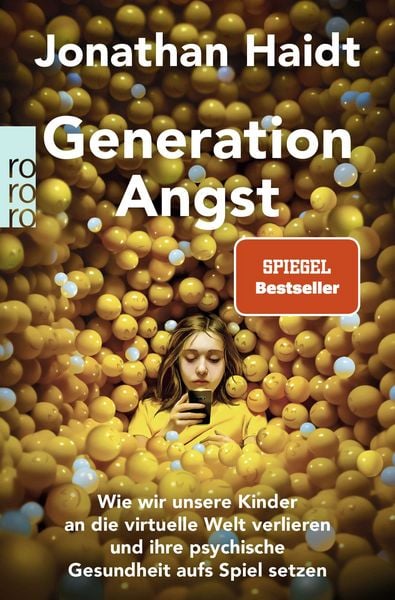


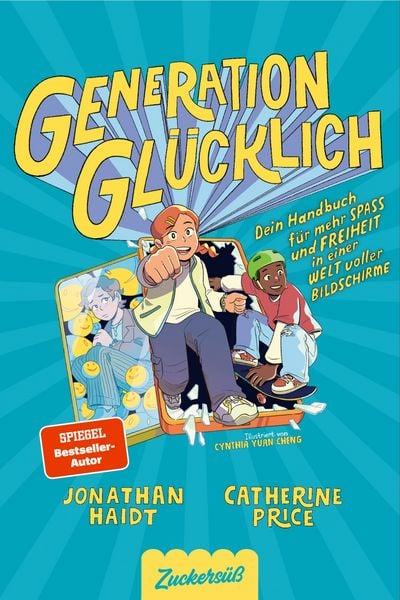


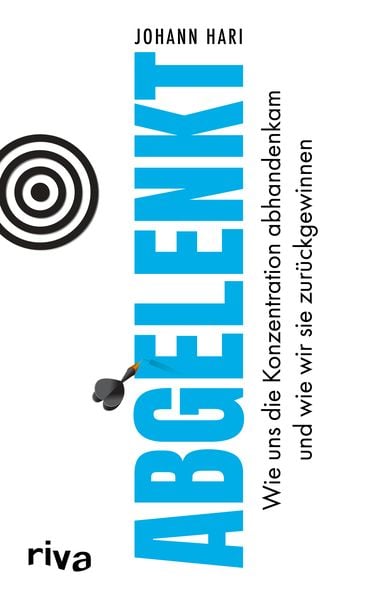

Listen

How Smartphones Are Rewiring Our Brains, Why Social Media is Eradicating Childhood & The Truth About The Mental Health Epidemic with Jonathan Haidt
Feel Better, Live More with Dr Rangan Chatterjee



Masculinity Debate: Are Dating Apps generating a Generation of Incels?
The Diary of a CEO with Steven Bartlett

Brain Rot Emergency: These internal documents prove they’re controlling you!
The Diary of a CEO with Steven Bartlett
Watch




Click
Klicksafe
Breitgefächerte Informationsplattform für Eltern, Pädagogen, Kinder und Jugendliche. Umfangreiche Auswahl an Lehrmaterial, Broschüren und Flyer zum Herunterladen.

Swiss Crime Prevention
Informationsplattform für Jugendliche und Erwachsene zu den Themen Soziale Netzwerke, Chatten und Pädokriminalität. Zahlreiche Broschüren zu verschiedenen Themen als pdf zum Herunterladen

Federal Office for Cybersecurity
Informationen für Privatpersonen, Unternehmen, Behörden und IT-Spezialisten. Meldestelle für einen Cybervorfall und Schwachstellen.

Pan European Game Information
Europaweites Altersklassifizierungs-System für Unterhaltungsmedien (Computer- und Videospiele, Filme); gibt Auskunft über den altersgerechten Inhalt eines bestimmten Spiels bzw. bestimmten Films

NetLa
Nationale Kampagne, initiiert vom Rat für Persönlichkeitsschutz. Die Haupt-Zielgruppen sind Kinder und Jugendliche im Alter von 5 bis 14 Jahren.

Frag Finn
Kindersuchmaschine und sicherer Surfraum für Kinder bis 12 Jahre. Kinder finden nur altersgerechte und von Medienpädagogen überprüfte Internetseiten

Helles Köpfchen
Internetportal für Kinder und Jugendliche mit vielen informativen Artikeln aus Gesellschaft, Kultur, Politik und Naturwissenschaften.

Internauten
In verschiedenen Missionen wird Kindern der Umgang mit dem Internet erklärt und auf Gefahren hingewiesen. Mit vielen Infos, Anregungen und Tipps.
We recommend
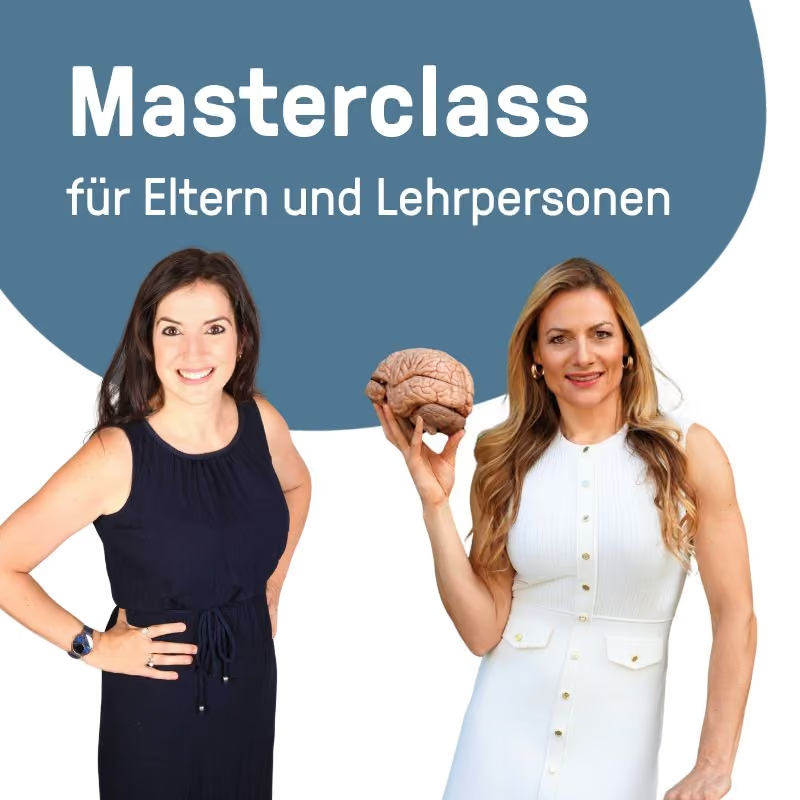
Empowering teenagers instead of arguing
Understanding the brain, mental health, and the influence of digital media
The Hirncoach neuroscience masterclass combines scientific understanding with practical everyday application. It consists of three core modules and additional optional advanced modules.
Get involved too!
Donate
Your donation supports our work: Every contribution counts. Thank you so much!
Via Twint (fees apply) or via e-banking (fee-free): Hypothekarbank Lenzburg, CH17 0830 7000 6708 2130 6
Good to know: As a non-profit association, we are tax-exempt and can issue donation receipts.